Infrastructure Becomes a New Driver of Industrial Real Estate
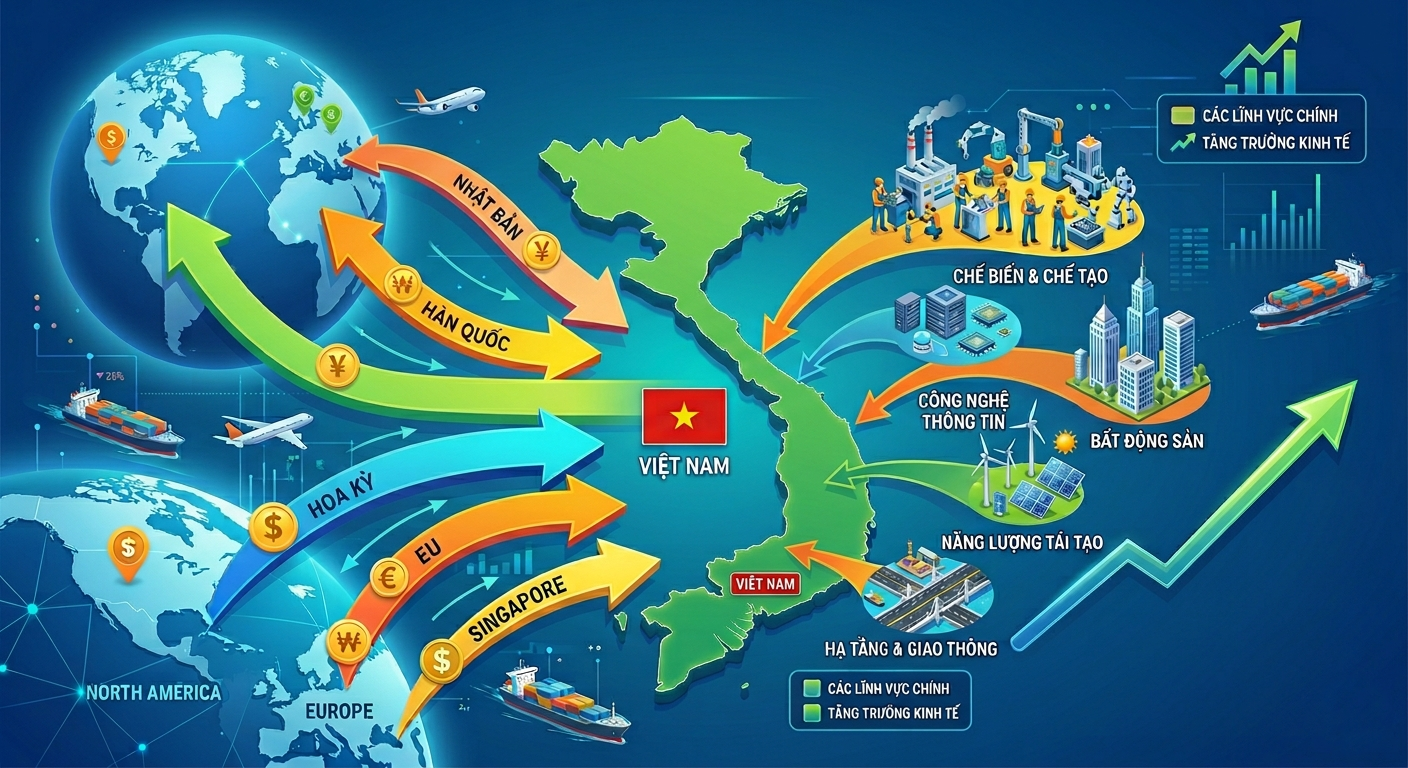
2026 is witnessing a notable shift in Vietnam’s industrial real estate market: transport and logistics infrastructure are playing an increasingly decisive role in expanding the geographical scope for attracting FDI.
According to figures cited by MarketTimes from Savills, total registered FDI in Vietnam reached approximately USD 34.65 billion in the first six months of 2026, up 61% year-on-year. Disbursed FDI reached approximately USD 13.03 billion, the highest level recorded for the first six months of a year in the past five years.
International capital continues to flow into manufacturing, logistics, technology and digital infrastructure. As production expands, demand for industrial land, factories, warehouses and assets supporting supply chains is also increasing.
This is creating a notable trend: areas previously considered peripheral are gradually emerging as new development zones for industrial real estate.
FDI Investors Are Looking Beyond Industrial Land to an Integrated Operating Ecosystem
In the past, location and rental costs were among the key factors considered by investors when selecting an industrial park.
However, the requirements of FDI investors are changing.
According to Savills' analysis, businesses are increasingly evaluating a broader range of factors, including power supply, labor quality, logistics connectivity, ESG standards, expansion potential and the speed at which a factory can become operational. Notably, around two-thirds of newly registered manufacturing investment capital in the first half of 2026 was associated with projects opting for factory facilities rather than simply leasing industrial land.
This indicates that the competitive advantage of an industrial park in the new era is no longer simply about having a large land bank.
An industrial park capable of attracting investors needs to address multiple requirements simultaneously:
Location – Infrastructure – Logistics – Power – Workforce – Environment – Expansion Capacity – Speed to Operation.
This is also the foundation for the growing interest in next-generation industrial parks amid the ongoing transformation of global supply chains.
Transport Infrastructure Is Expanding the Industrial Investment Map
One of the most visible impacts of infrastructure development is the shortening of distances between manufacturing centers, urban areas, seaports, airports and consumer markets.
The development of expressways, national highways, seaports, airports and inter-regional transport networks is giving businesses more choices when selecting factory locations.
According to a Savills expert quoted by MarketTimes, infrastructure is not only connecting existing production areas but also opening up large areas and enabling locations that were previously less prominent to participate more actively in manufacturing and real estate development.
This represents an important change for industrial real estate in emerging areas.
While businesses previously tended to concentrate on established industrial hubs, improved infrastructure is allowing areas with available land, competitive costs and strong connectivity to become increasingly attractive investment destinations.
Western Hanoi and Phu Tho Poised to Benefit from Expanding Industrial Space
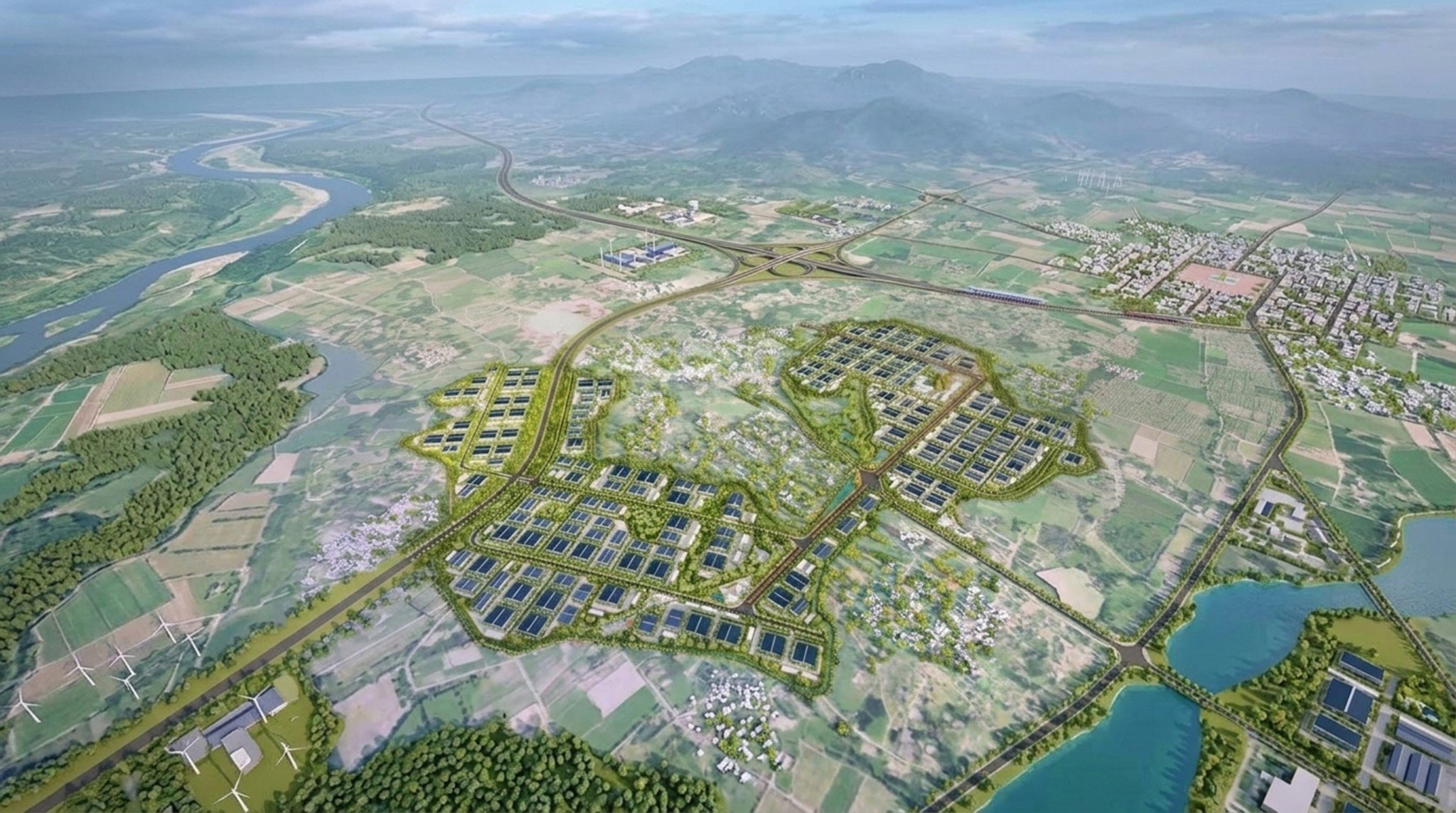
Against the backdrop of continued infrastructure investment in Hanoi and the northern provinces, Western Hanoi and Phu Tho are gaining additional opportunities to strengthen their role as a connection between the capital and manufacturing centers in the northwest.
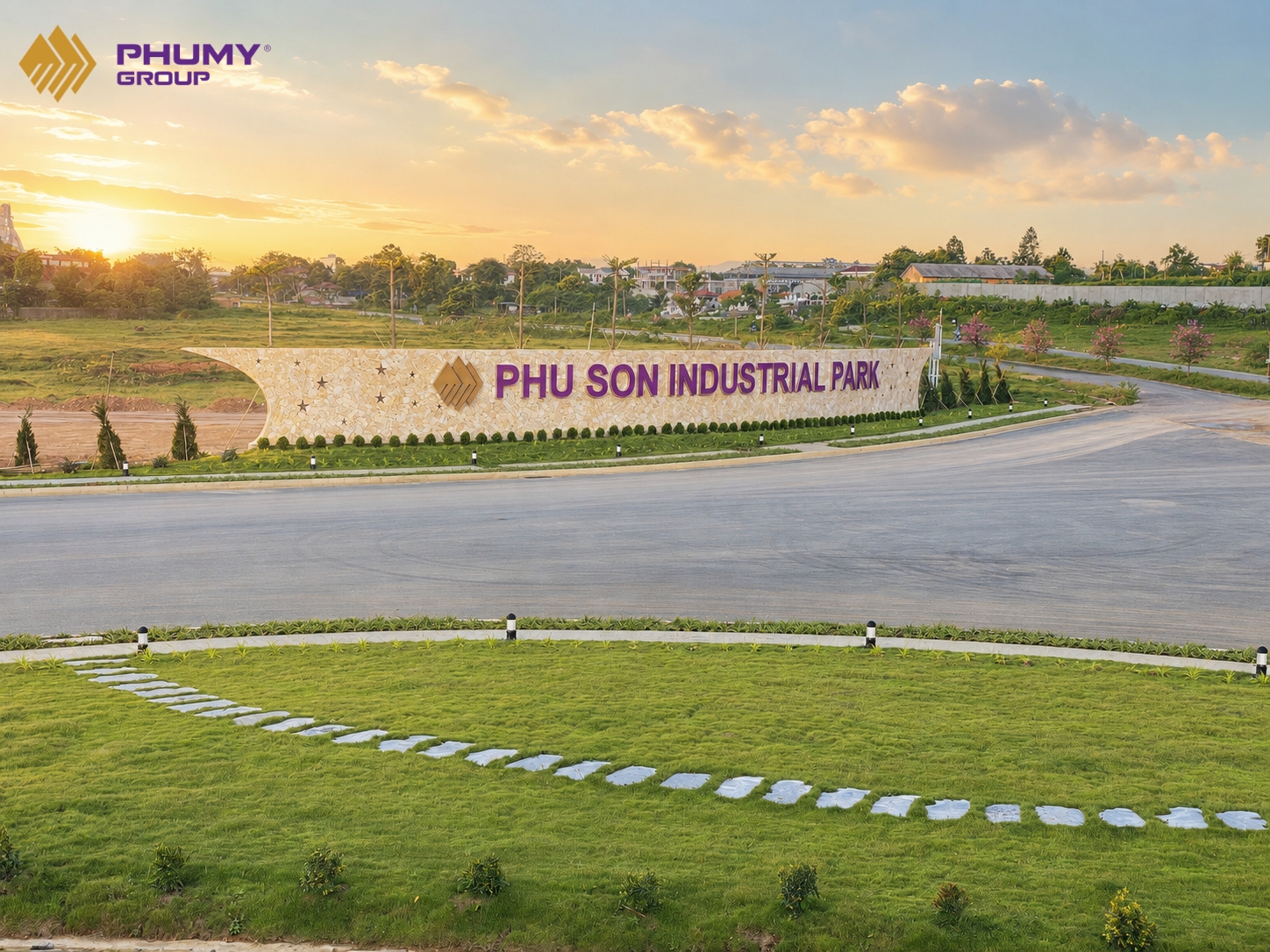
The region's advantages are not limited to land availability. They also include access to major transportation corridors, labor resources, Hanoi's large consumer market and an expanding production network.
In particular, the development of transport routes connecting Hanoi with Hoa Binh, Phu Tho and the northern midland and mountainous provinces is contributing to the formation of a more integrated industrial space.
Within this trend, industrial parks located along strategic transportation corridors can benefit from the relocation and expansion of manufacturing activities and supply chains.
Next-Generation Industrial Parks Must Meet the Requirements of High-Tech FDI
The growth of electronics, semiconductors, data centers and high-tech manufacturing is creating new requirements for industrial infrastructure.
Businesses need more than simply industrial land. They require:
- Stable power supply and long-term capacity.
- Convenient transportation and logistics connectivity.
- Telecommunications and data infrastructure.
- High-standard wastewater treatment systems.
- Infrastructure aligned with ESG requirements.
- Capacity for future expansion.
- Infrastructure capable of supporting rapid factory commissioning.
For data centers alone, Savills estimates that Vietnam's operational data center capacity could increase from approximately 524.7 MW in 2025 to 950 MW by 2030, representing an increase of around 81%.
This highlights the growing demand for industrial assets equipped with specialized technical infrastructure.
As a result, the criteria for evaluating an industrial park are shifting from “Does it have land available for lease?” to “Does it have the infrastructure needed to operate and grow sustainably?”
Logistics Becomes an Integral Part of Industrial Real Estate
Alongside manufacturing, logistics is increasingly becoming a critical component of the industrial real estate ecosystem.
Modern supply chains require businesses to shorten transportation times for raw materials and finished products while maintaining fast access to customers. As a result, locations near expressways, national highways, seaports, airports and major consumer centers are becoming increasingly valuable.
An industrial park with strong logistics connectivity can help businesses:
- Optimize transportation costs.
- Reduce delivery and receiving times.
- Improve supply chain control.
- Connect more efficiently with suppliers and customers.
- Expand their manufacturing network more effectively.
Therefore, when evaluating industrial real estate, FDI investors are increasingly looking at the entire connectivity ecosystem, rather than assessing an individual site in isolation.
Opportunities for Industrial Parks with Strategic Locations
The combination of growing FDI, expanding manufacturing demand and infrastructure investment is creating a new development cycle for Vietnam's industrial real estate market.
In this cycle, industrial parks offering:
Strong transport connectivity + completed infrastructure + expansion capacity + investor support services + appropriate environmental standards
will have an advantage in attracting both domestic manufacturers and FDI enterprises.
As costs in traditional industrial hubs continue to rise and suitable land becomes increasingly limited, areas with convenient connections to Hanoi and major manufacturing centers may emerge as attractive alternatives for businesses seeking new investment locations.
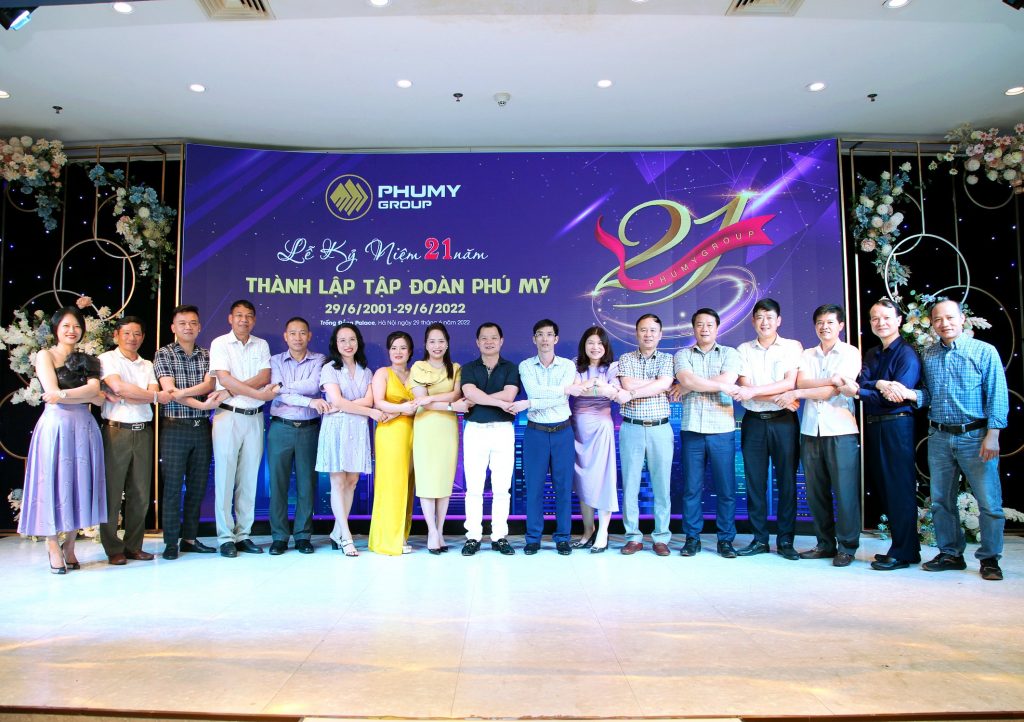
Phu My Group – Developing Industrial Spaces through Regional Connectivity
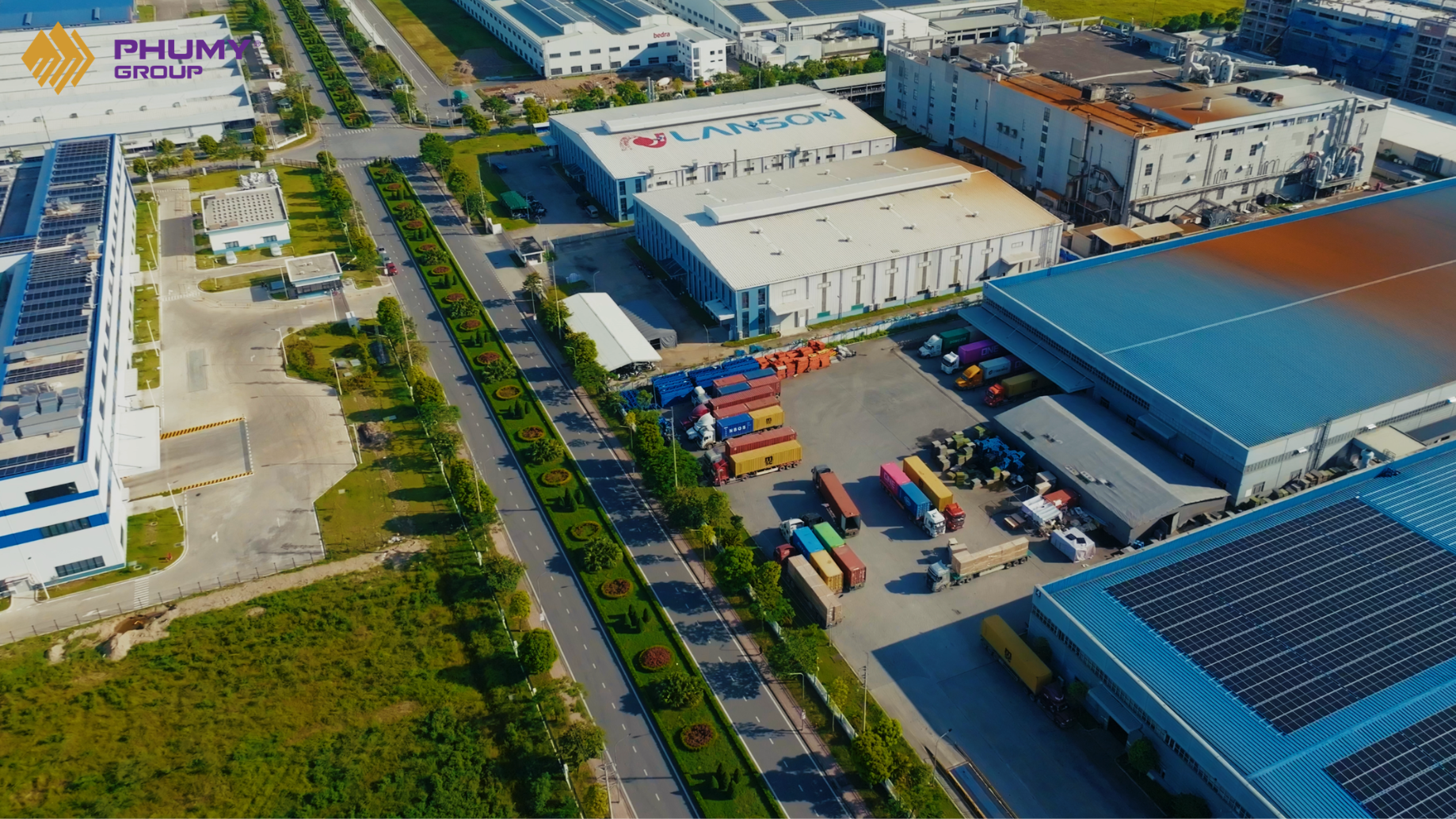
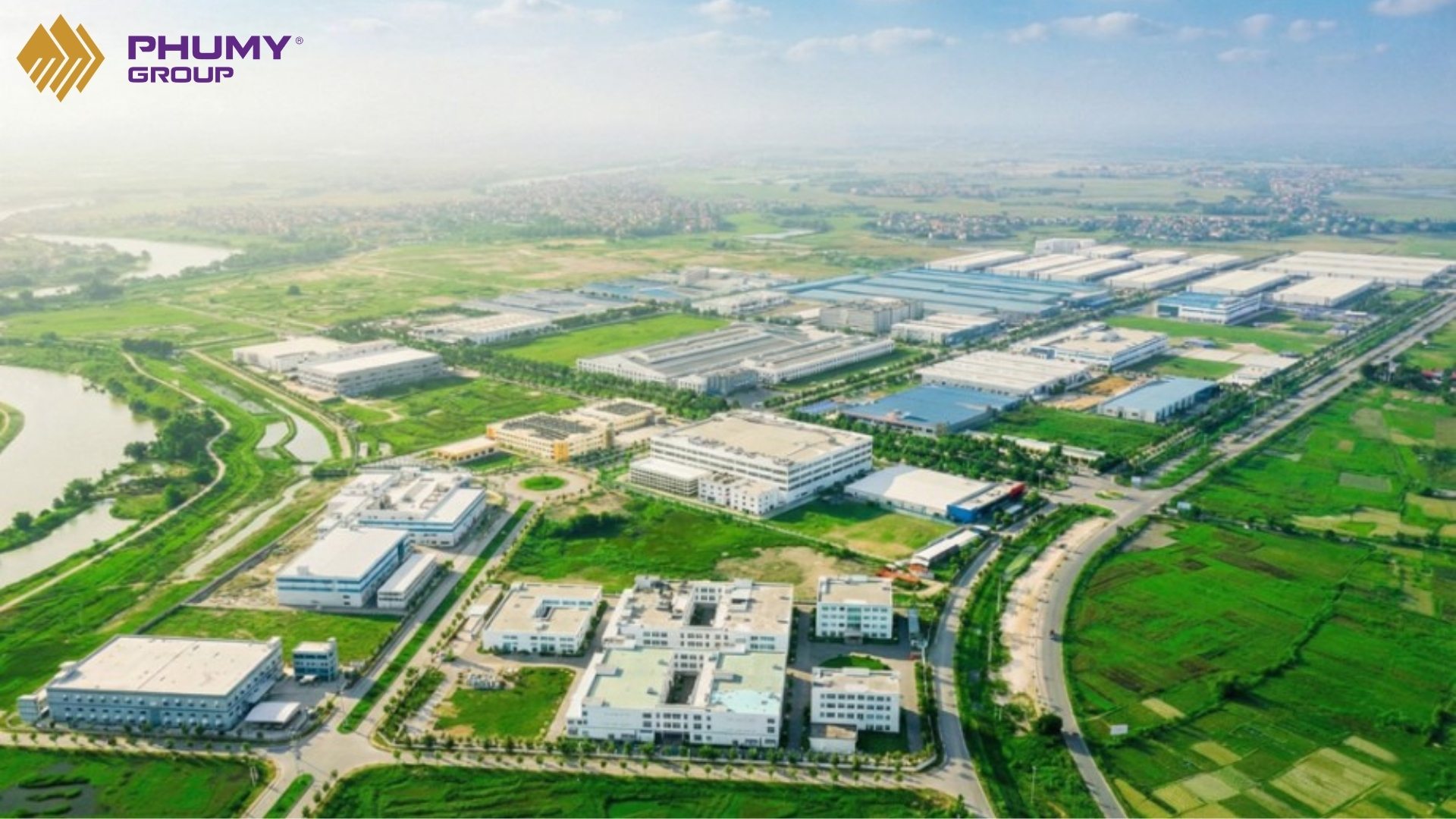
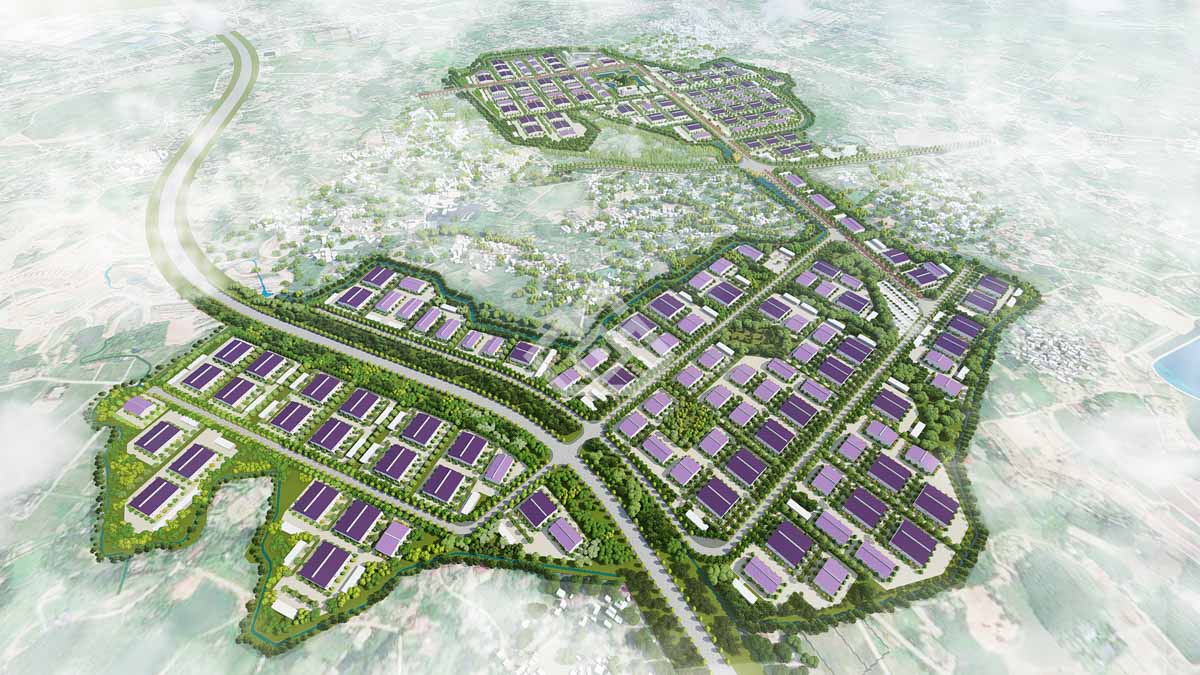
With a focus on industrial real estate development, Phu My Group is developing industrial parks in locations with strong potential to connect with major economic, manufacturing and logistics centers.
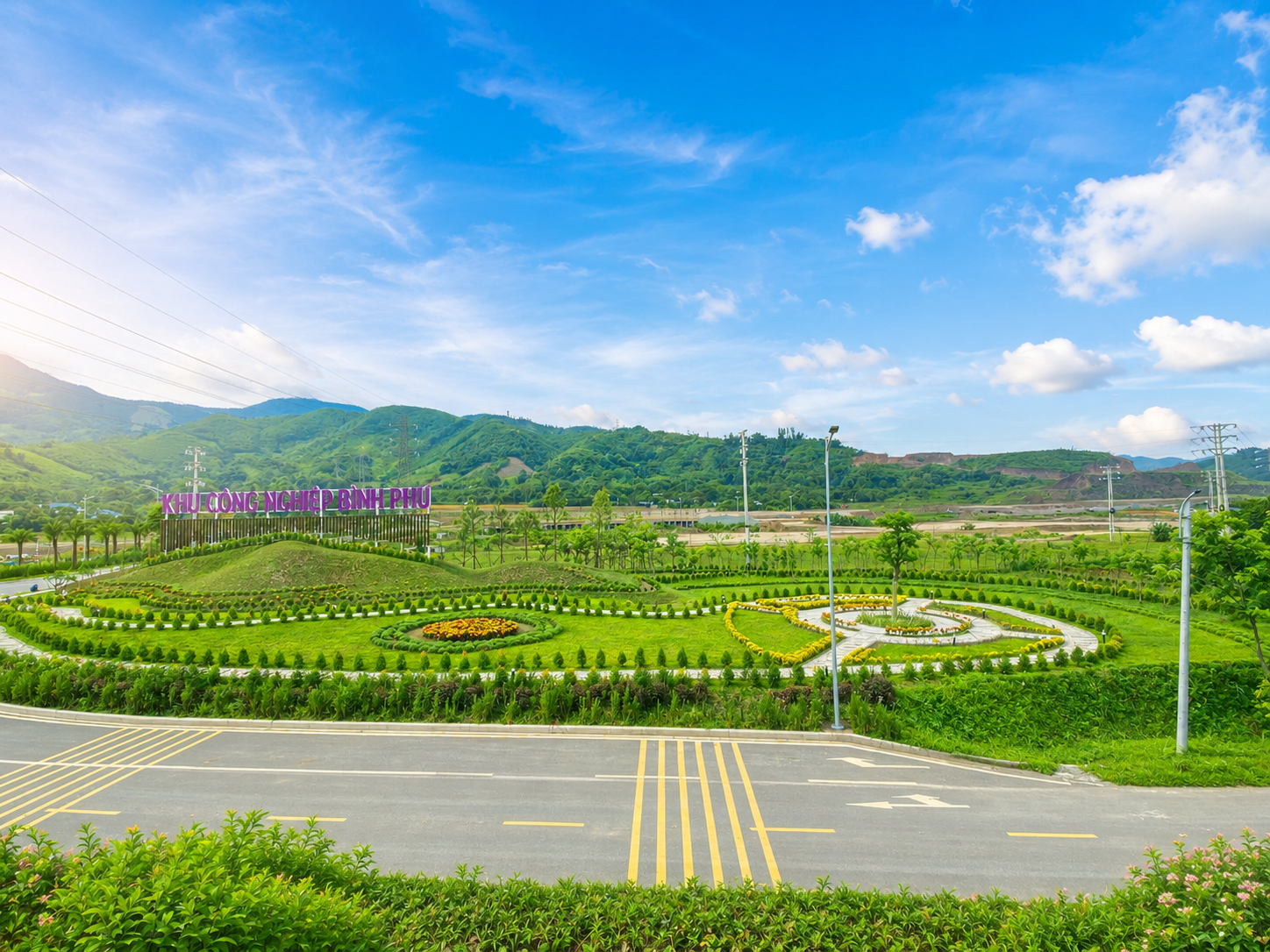
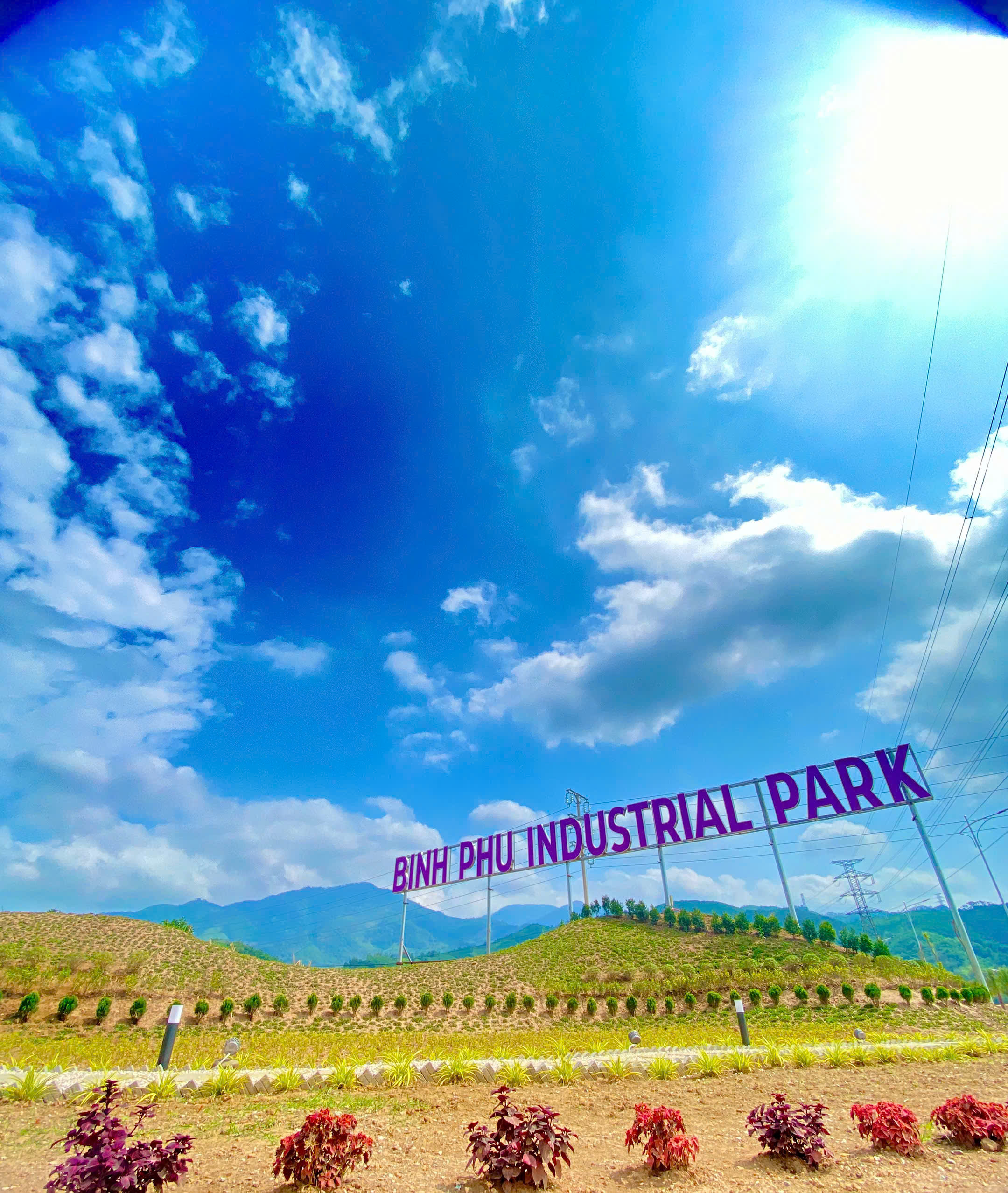
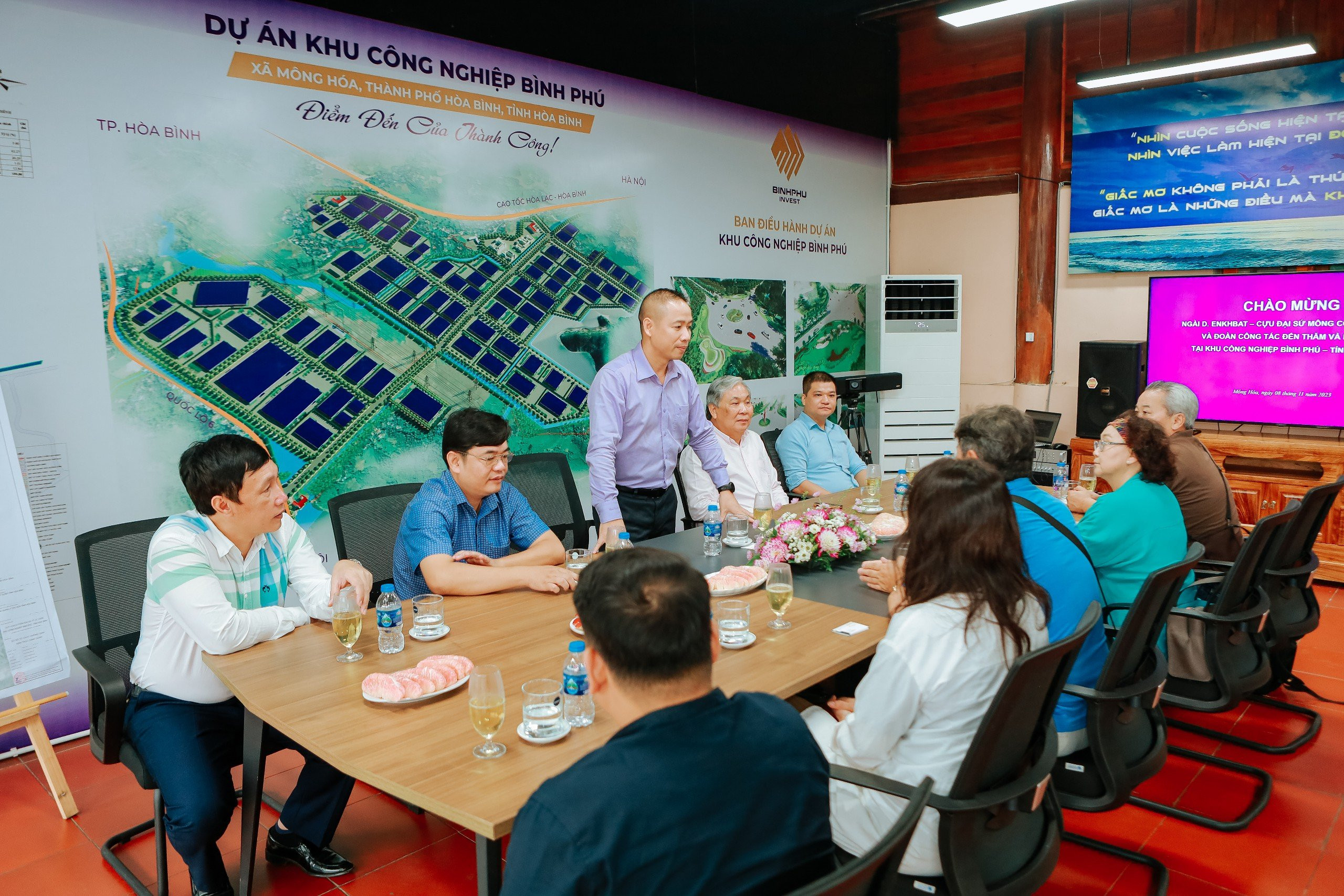
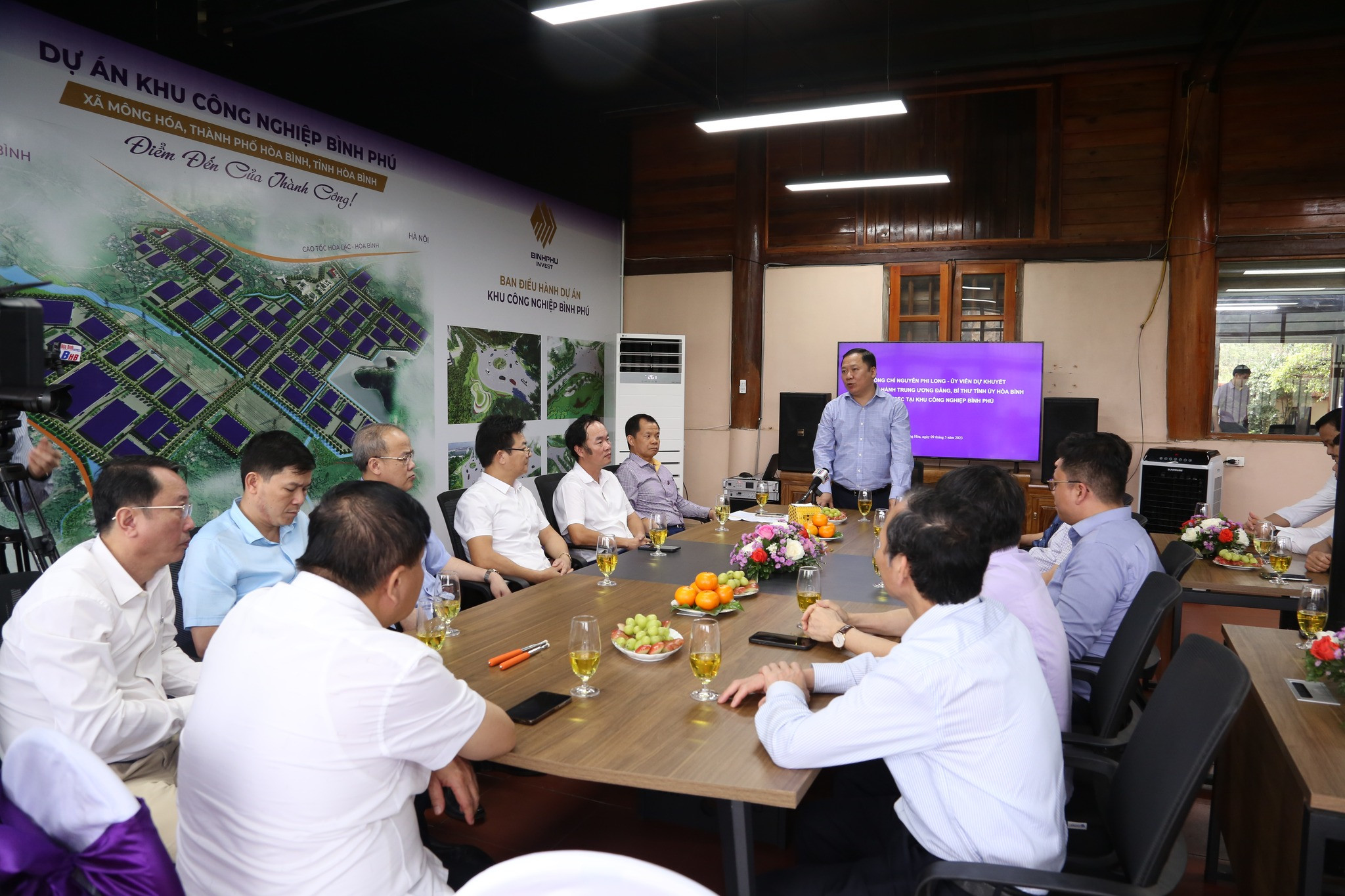
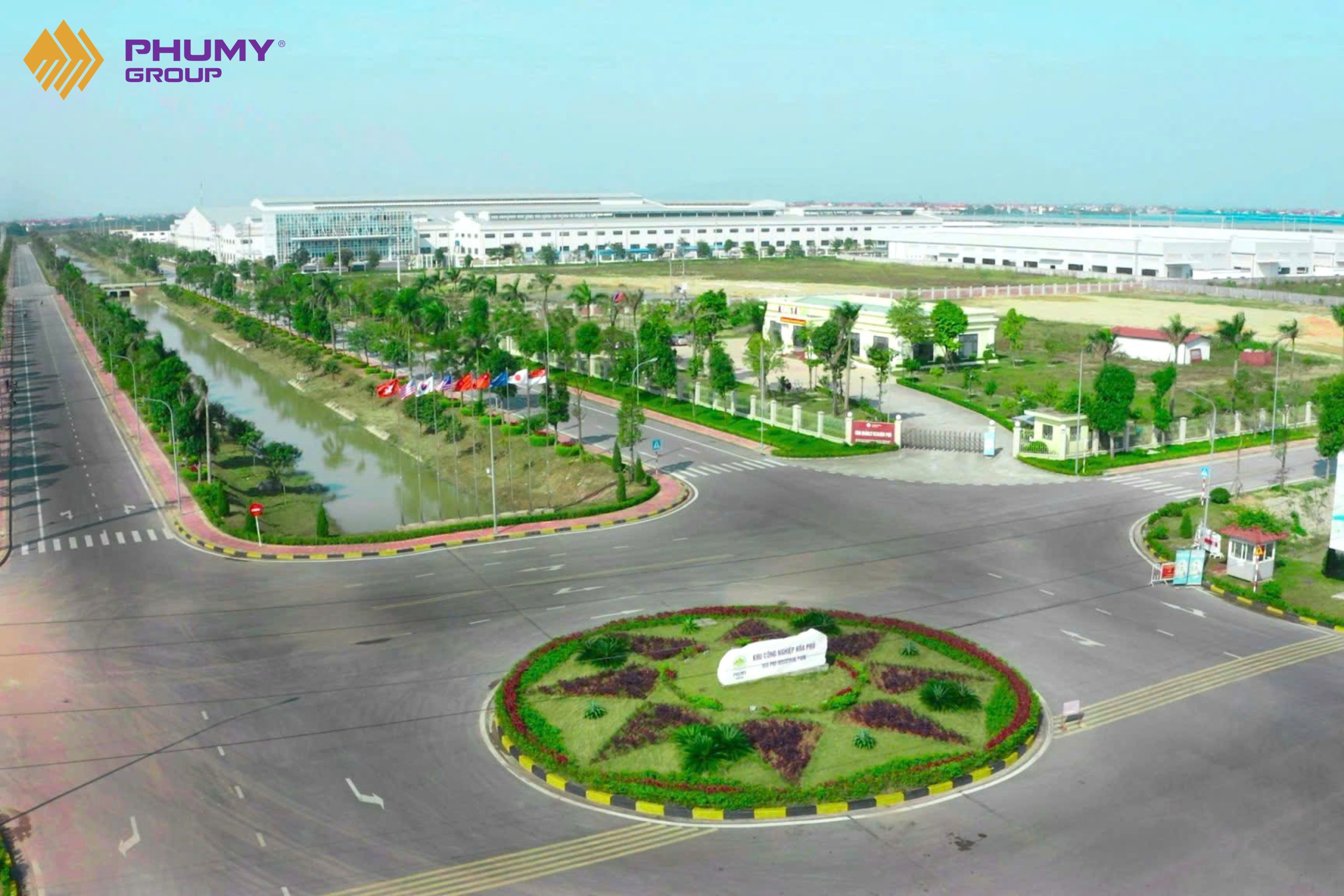
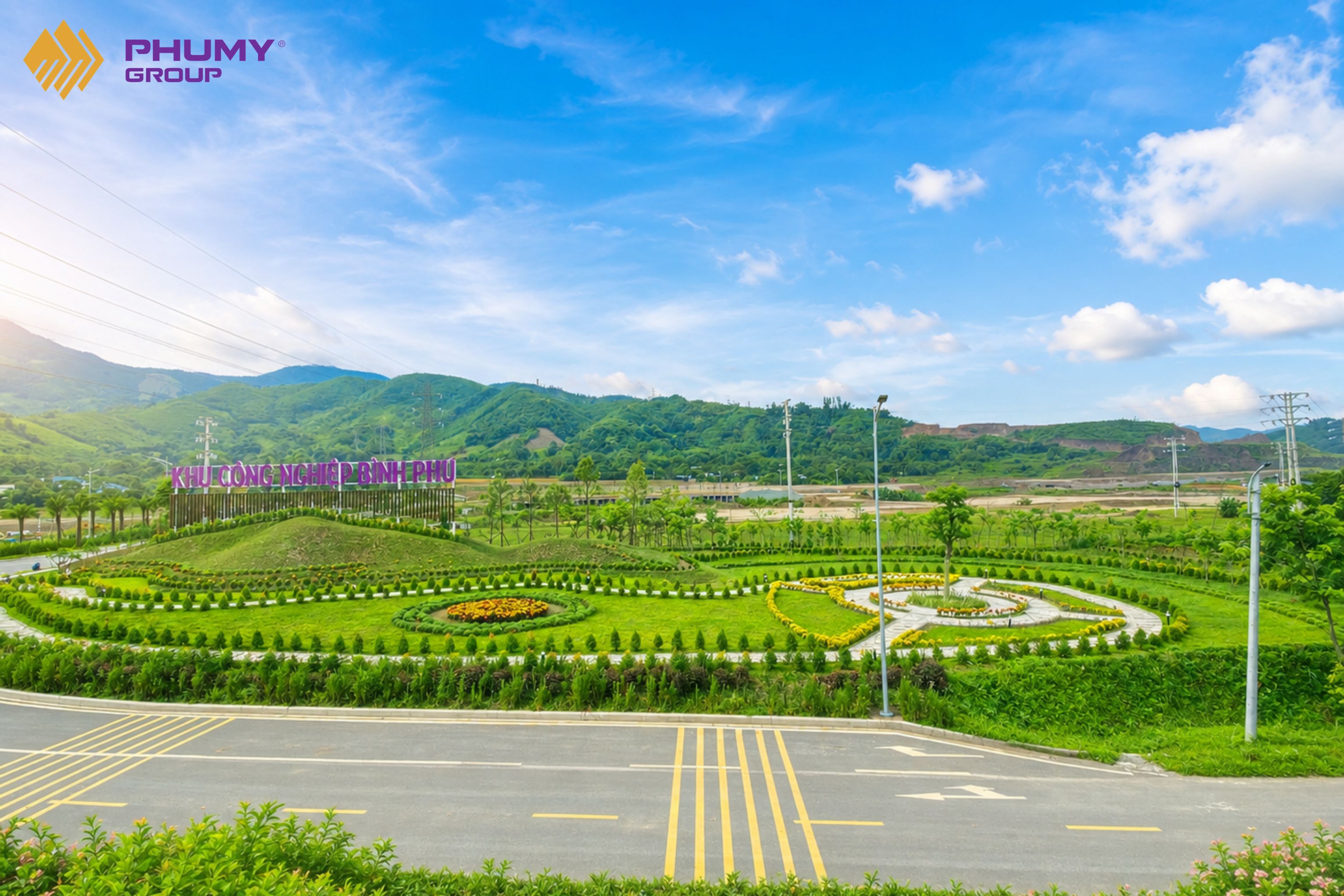
Projects such as Phu Son Industrial Park, Binh Phu Industrial Park and other industrial developments of Phu My Group aim to create investment environments capable of meeting the increasingly sophisticated requirements of manufacturing businesses and FDI investors.
As infrastructure continues to expand the industrial development landscape, the advantages of Western Hanoi and Phu Tho lie not only in their ability to provide industrial land, but also in their regional connectivity, access to markets, workforce availability and increasingly developed logistics networks.
Conclusion: Infrastructure Is Creating a New Investment Map
2026 marks an important period for Vietnam's industrial real estate market as infrastructure, FDI and manufacturing demand are forming a new interconnected growth cycle.
Growing FDI drives manufacturing demand. Manufacturing creates demand for industrial land, factories and logistics. Infrastructure investment expands the geographical range of potential locations. And areas with strong connectivity gain new opportunities to become emerging industrial growth hubs.
Against this backdrop, being “peripheral” no longer necessarily means being “far from the center.”
When infrastructure connects, emerging areas can become new destinations for manufacturing, logistics and FDI.
This is also why industrial real estate in locations with strong infrastructure and regional connectivity is expected to remain one of the key segments to watch in Vietnam's market in the years ahead.